
Table of Contents
- Why a Dental Vacation in Cartagena Makes Financial Sense
- Cost of Dental Crowns in Colombia and Other Common Treatments
- How Long to Stay for Dental Implants and Other Procedures
- Dental Tourism Safety Tips: Quality Standards and Patient Rights
- Planning Your Dental Vacation: Travel Logistics and What to Expect
- Recovery Activities and Making the Most of Your Stay
- English-Speaking Dentists and Communication During Treatment
- Conclusion
Last Updated: August 24, 2026
Why a Dental Vacation in Cartagena Makes Financial Sense
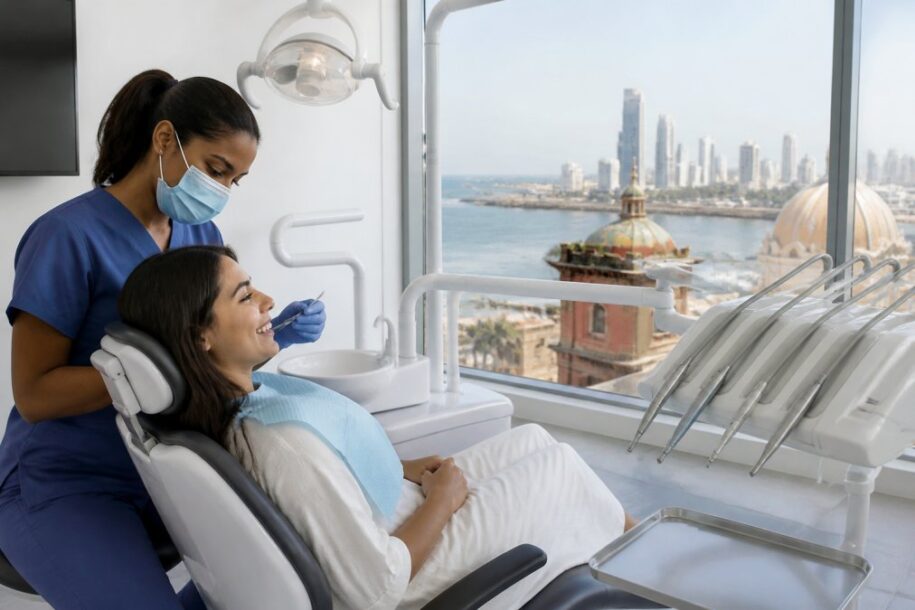
Dental care costs in the United States have reached a point where many adults defer necessary treatment. Root canals, implants, and full-mouth restorations aren’t luxuries, they’re health necessities, yet out-of-pocket expenses for uninsured or underinsured Americans can be staggering. Dental tourism in Cartagena, Colombia has become a serious, practical alternative for high-quality care without financial shock.
At DENTAL TOURISM CARTAGENA, we work with US patients who have delayed treatment for years, not from neglect but because the numbers at home don’t add up. The math in Cartagena often does. Even after factoring in flights and accommodation, dental care in Colombia is significantly more affordable than in the US. For patients needing multiple procedures, several crowns alongside implants, for example, combined savings frequently cover the entire trip cost and more. This drives thousands of Americans to consider dental tourism annually, according to the Medical Tourism Association.
Popular Procedures and What You Can Save
Popular procedures among US patients include dental implants, porcelain veneers, full-mouth restoration, crowns, cavity work, and teeth whitening. Cosmetic dentistry, particularly veneers, attracts patients seeking dramatic price differences. Restorative work and implants typically appeal to patients aged 50 and over facing five-figure US quotes. Bundling multiple procedures into one visit maximizes travel investment value while minimizing total trips required.
Out-of-Pocket Costs vs. US Pricing
Specific prices vary by clinic, materials, case complexity, and procedure volume. For personalized quotes, contact DENTAL TOURISM CARTAGENA directly. What’s consistent is that savings percentages on most procedures justify the trip investment. A single dental implant with standard crown differs significantly from full-arch restoration using premium zirconia materials. Always get a detailed treatment plan before booking.
Cost of Dental Crowns in Colombia and Other Common Treatments
The cost of dental crowns in Colombia is a key data point for US patients considering dental tourism. Patients needing three or more crowns often find that Cartagena’s procedure cost, combined with flights and hotel, still falls well below a single US crown from an out-of-network specialist. This equation becomes even more compelling for full-mouth restoration.
| Procedure | Typical US Context | Cartagena Context |
|---|---|---|
| Dental crown | High out-of-pocket cost, often $1,000+ per unit without insurance | Significantly lower per unit; contact clinic for quote |
| Porcelain veneers | Often $1,500-$2,500 per tooth in major US cities | Fraction of US cost; materials vary by grade |
| Dental implant (single) | Among the most expensive single procedures in US dentistry | Substantial savings possible; multi-unit cases amplify this |
| Full-mouth restoration | Can reach five figures in the US | Most compelling case for dental tourism savings |
| Teeth whitening | Widely available but often cosmetic-only coverage | Affordable add-on to any treatment package |
Note: All pricing figures should be confirmed directly with your chosen clinic. The US figures above represent general market context, not specific quotes.
Never book a dental tourism trip based on generic online pricing. Prices vary significantly by material grade, clinic, and case complexity. Always request a personalized treatment plan and itemized quote before committing to travel.
How Long to Stay for Dental Implants and Other Procedures
Trip length depends on whether you’re getting a single implant or full arch, and whether staging is one or two visits. A single dental implant involves placing a titanium post into the jawbone, then allowing osseointegration before attaching the final crown. This typically requires two separate trips: one for placement and one for crown fitting after healing. Patients needing bone grafting will add additional time and possibly another visit.
Sample Treatment Timelines by Procedure
| Procedure | Estimated Stay | Notes |
|---|---|---|
| Single dental crown | 5-7 days | Tooth prep, temporary crown, fitting of permanent crown |
| 2-4 veneers | 5-7 days | Consultation, preparation, bonding |
| Full set of veneers (8-10) | 7-10 days | More preparation sessions required |
| Single dental implant | Two trips: 5-7 days each | Post placement, then return after osseointegration |
| Full-arch implants | Two trips: 7-10 days each | Complex case; staging varies |
| Teeth whitening + cleaning | 2-3 days | Often added onto another procedure visit |
| 3-unit dental bridge | 5-7 days | Similar timeline to crowns |
Your specific recovery period and treatment plan may differ based on dental health and case complexity. Always confirm the expected timeline with your clinic before booking travel.
If planning full-mouth restoration or multiple implants, schedule your consultation visit first. Use that trip to finalize your treatment plan, complete any necessary extractions or preparatory work, and plan your follow-up visit. This prevents surprises and lets you return home knowing exactly what your second trip will involve.
Dental Tourism Safety Tips: Quality Standards and Patient Rights
Dental tourism safety requires active due diligence from the patient. Cartagena has reputable clinics with well-trained dentists, but outcome quality depends heavily on provider selection. The American Dental Association’s guidance on international dental care recommends verifying credentials through official channels rather than relying solely on clinic marketing materials.
How to Verify a Clinic’s Credentials
- Board certification and licensing: Ask for the dentist’s professional license number and verify it independently through official Colombian health bodies.
- Specialist credentials: For implants or complex restorative work, confirm the treating dentist is a certified specialist in oral surgery or prosthodontics.
- Facility standards: Ask whether the clinic operates under ISO certification or equivalent quality management standards.
- Materials sourcing: Ask what brand and grade of dental materials are used. Established implant brands like Straumann, Nobel Biocare, or Zimmer Biomet are internationally recognized benchmarks.
- Sterilization protocols: Ask how instruments are sterilized and whether single-use items are used where applicable.
Legal Recourse and Patient Protections
If something goes wrong after you return to the US, your legal recourse is limited. A procedure performed in Colombia is subject to Colombian law, not US law. You cannot file a malpractice claim in a US court against a Colombian provider in the same way you would against a domestic dentist.
Protective steps before and after treatment:
- Get everything in writing: the full treatment plan, materials, number of appointments, and post-operative instructions.
- Understand the clinic’s revision or correction policy. Will they cover corrections on a return visit if a crown doesn’t fit correctly?
- Keep all records. Bring home copies of X-rays, treatment notes, and materials documentation for your US dentist.
- Consider travel insurance with a medical treatment rider. Standard travel insurance often excludes elective procedures.
Planning Your Dental Vacation: Travel Logistics and What to Expect
A dental vacation in Cartagena combines healthcare with a memorable stay. Cartagena’s Rafael Núñez International Airport receives direct flights from major US hubs, with travel time under four hours from the East Coast. The historic walled district, where most upscale accommodation is concentrated, is compact and walkable, important when recovering from procedures.
Pre-Trip Medical Screening and Consultation Process
Reputable clinics conduct pre-trip consultations, often by video call, to review dental history, current X-rays, and treatment goals. This screening allows the clinic to prepare a detailed treatment plan and accurate quote, identifies preparatory work needed, and lets you assess the team’s professionalism before committing.
Send recent panoramic X-rays if available. If not, many clinics arrange imaging on your first day. Ask directly about the dentist’s experience with cases similar to yours, especially if you need extensive restorative work or full-arch implants.
The pre-trip consultation is your most important due-diligence step. A clinic that won’t provide a detailed written treatment plan and itemized quote before you travel is worth avoiding.
Insurance, Financing, and Managing Costs from the US
Most US dental insurance plans do not cover procedures performed outside the country. A small number of international health plans do include some international coverage, so review your specific policy or call your insurer directly. For patients without applicable coverage, out-of-pocket payment is standard. Many clinics offer payment plans or accept major credit cards. Some US-based medical financing options like CareCredit may be usable depending on provider enrollment. Verify this directly with both the financing company and clinic.
The Consumer Financial Protection Bureau’s guidance on medical financing is worth reviewing before committing to any financing arrangement.
Recovery Activities and Making the Most of Your Stay
Recovery after dental procedures doesn’t require confinement to your hotel room. Most patients are comfortable with light sightseeing within 24-48 hours of routine procedures like crown placements or veneer bonding. More invasive work like implant surgery warrants a full rest day or two.

Cartagena’s geography favors recovery. The historic center is flat, shaded by narrow colonial streets, and filled with low-key options. A slow morning at a courtyard café, an afternoon at a rooftop pool, or a gentle walking tour of the fortifications are all compatible with dental recovery.
DENTAL TOURISM CARTAGENA pairs dental treatment with curated tour packages designed around patient recovery schedules, including visits to San Felipe Castle, Hop On Hop Off city tours, and guided explorations of the walled city.
Practical recovery notes:
- Avoid hard, crunchy foods after restorative work.
- Stay hydrated in the Caribbean heat, especially after sedation.
- Avoid alcohol for at least 48 hours after surgical procedures.
- Keep your post-operative instructions document with you at all times.
English-Speaking Dentists and Communication During Treatment
Miscommunication during dental procedures is a legitimate concern. Cartagena’s dental tourism clinics catering to US patients have addressed this: English-speaking dentists and bilingual support staff are standard at established clinics. Your initial consultation, treatment plan discussion, consent process, and post-operative instructions should all be conducted in English. Request written confirmation if unsure about anything. Reputable clinics provide written post-operative instructions in English as standard.
Request that your treatment plan, materials specifications, and care instructions be provided in writing in English. This protects you during treatment and when briefing your US dentist afterward.
For nervous patients, the consultation call before travel is the right time to test communication directly. Speak with the dentist or coordinator by video and assess quality yourself. As documented in the International Society of Travel Medicine’s guidance for medical tourists, clear pre-trip communication with your provider is one of the strongest predictors of a positive outcome.
Ask specifically: will the treating dentist communicate with me directly in English throughout my procedure?
Deferring dental care because of cost compounds over time. What starts as a single crown becomes a root canal becomes an extraction. DENTAL TOURISM CARTAGENA offers a practical path forward: comprehensive dental treatments paired with curated travel support, so patients can address their dental health without financial paralysis. With combined dental and tourism packages, travel assistance, and English-speaking clinical teams, the experience is designed to be seamless from first consultation to final follow-up. Get started with DENTAL TOURISM CARTAGENA and arrive home with both your smile and your finances intact.
Frequently Asked Questions
Q: Is it a good idea to travel to Colombia for dental work?
A: For many US patients, dental tourism in Colombia offers meaningful savings on procedures like veneers, dental implants, crowns, and full-mouth restoration. The key is choosing a clinic with verifiable credentials, English-speaking staff, and a clear treatment plan before you travel. Patients who do thorough research, complete a pre-trip consultation, and plan adequate recovery time consistently report positive experiences. It is not the right fit for everyone, but for deferred or elective dental care, it is a well-established option.
Q: How long do I need to stay in Cartagena for dental implants?
A: A single dental implant typically requires at least two visits separated by a healing period of several months. On your first trip, the implant post is placed and an initial consultation completed, plan for roughly 5 to 7 days. The final crown is attached on a second visit, often 3 to 6 months later, requiring another 3 to 5 days. Full-mouth restoration or multiple implants may extend each stay. Always confirm the specific timeline with your clinic during the consultation process.
Q: What safety considerations apply to medical tourists seeking dental care?
A: Verify that your dentist holds credentials recognized by Colombian dental regulatory bodies and that the clinic uses sterilization protocols consistent with international dental hygiene standards. Request documentation of the dental materials used, implants, crowns, and veneers should come from reputable manufacturers. Confirm that post-operative instructions are provided in English and that follow-up care is available both locally and remotely after you return home. Completing a pre-trip medical screening helps flag any conditions that could affect treatment or recovery.
Q: My US insurance won't cover treatment abroad, what happens if something goes wrong after I fly home?
A: Most US dental insurance plans exclude treatment performed outside the country, so out-of-pocket expenses are the norm for dental tourism. Before traveling, ask your clinic what their aftercare policy covers and whether remote follow-up consultations are included. Some US-based dentists will manage post-procedure complications for a fee. Documenting your full treatment plan, the dental materials used, and all post-operative instructions gives any stateside dentist the information needed to help if an issue arises after you return.
Q: What should I look for when choosing a dental clinic in Cartagena?
A: Prioritize clinics that provide a detailed written treatment plan before you commit, use named dental materials from recognized manufacturers, and employ English-speaking staff throughout your care. Ask for patient testimonials and, where possible, before-and-after cases for procedures similar to yours. Confirm the clinic's sterilization and infection control standards, and check whether they offer remote follow-up care once you are back home. Transparency about what is included in any package, with no hidden costs, is a strong indicator of a trustworthy provider.
Q: How do I coordinate my dental treatment with a vacation itinerary?
A: Work backward from your procedure timeline. Schedule appointments at the start of your trip so the remaining days allow for recovery and sightseeing at a comfortable pace. Most cosmetic procedures like veneers or cavity work have short recovery periods, while dental implants require more rest in the first 48 hours. Providers that offer combined dental and tour packages can handle appointment scheduling alongside curated local experiences, reducing the planning burden and ensuring your itinerary fits your recovery needs.
This article was written using GrandRanker